Describe Brown Vs Board of Education
One of the most historical court cases especially in terms of education was Brown v. Board of Education of Topeka was a landmark 1954 Supreme Court case in which the justices ruled unanimously that racial segregation of children.

Brown V Board Of Education Summary Ruling Impact History
Board of Education was a group of five legal appeals that challenged the separate but equal basis for racial segregation in public schools in Kansas Virginia Dorothy Davis v.

. Supreme Court declared state laws establishing separate public schools for students of different races to be unconstitutional. Updated on January 30 2019. Quali diritti sono stati violati in Brown vs Board of Education.
Board paved the way for significant opportunities in our society for both minorities and whites by ensuring equal justice fairness and education. BROWN ET AL. Board of Education in full Brown v.
Board of Education of Topeka even though the case involved plaintiffs in multiple states. Board of Education ended with a Supreme Court decision that helped lead to the desegregation of schools throughout America. On May 17 1954 the Court stripped away constitutional sanctions for segregation by race and made equal opportunity in education the law of the land.
Board of Educationjust one of his 32 appearances before the Supreme CourtMarshall opined that state-imposed segregation was inherently discriminatory and emotionally damaging. This case took on segregation within school systems or the separation of White and Black students within public schools. Supreme Courts decision in Brown v.
Board of Education di Topeka caso in cui il 17 maggio 1954 la Corte Suprema degli Stati Uniti ha stabilito allunanimità 9-0 che la segregazione razziale nelle scuole pubbliche ha violato il quattordicesimo emendamento alla Costituzione che vieta agli stati di negare la pari protezione dei le leggi a qualsiasi persona all. Carter argued the cause for appellants in No. The 1954 case of Brown v.
The decision effectively overturned the Plessy v. The Supreme Court took the relatively unusual step in Brown v. Board of Education case.
State laws establishing racial segregation in public schools are unconstitutional even if the segregated schools are otherwise equal in quality. The cases were filed in Delaware the District of Columbia Virginia South Carolina and Kansas. Board decision didnt stem from a single case rather it was a ruling for a bundling of cases that all challenged racial segregation in public schools.
Board of Education of Topeka Kansas the US. Clearly there would be opposition in either side of this case. Board of Education brought this out this case was the reason that blacks and whites no longer have separate restrooms and water fountains this was the case that truly destroyed the saying separate but equal Brown vs.
Board of Education of Topeka 347 US. APPEAL FROM THE UNITED STATES DISTRICT COURT FOR THE DISTRICT OF KANSAS 484484 Robert L. Board of Education of Topeka 347 US.
As a society we cant afford to backtrack by allowing re-segregation in our public schools or the lowering of admissions standards in our colleges and universities. Board of Education marked a turning point in the history of race relations in the United States. Supreme Court ruled unanimously 90 that racial segregation in public schools violated the Fourteenth Amendment to the Constitution which prohibits the states from denying equal protection of the laws to any person within their jurisdictions.
County School Board of Prince Edward Delaware South Carolina and the District of Columbia. Linda Brown a third grader was required by law to attend a school for black children in her hometown of Topeka Kansas. To do so Linda walked six blocks crossing dangerous railroad tracks and then boarded a bus that took her to Monroe Elementary.
The NAACP chose the Brown family because they perceived them to be the most sympathetic plaintiff. The decision dismantled the legal framework for racial segregation in public schools and Jim Crow laws which. 483 1954 was a landmark decision of the US.
On May 17 1954 Chief Justice Earl Warren issued the Supreme Court s unanimous decision in Brown v. On May 17 1954 a hushed crowd of spectators packed the Supreme Court awaiting word on Brown vs. They had a variety of circumstances from single-room shacks labeled schools to.
On May 17 1954 in a landmark decision in the case of Brown v. Reargued December 8 1953. Prior to the ruling African-American children in Topeka Kansas were denied access to all-white schools due to laws allowing for separate but equal facilities.
Supreme Court of United States. Board of Education a combination of five lawsuits brought by. Board of Education of Topeka 347 US.
Supreme Court in which the Court ruled that US. BOARD OF EDUCATION OF TOPEKA ET AL. The school board refused.
The Brown v. Which best explains why Brown vs Board of Education was an important legal decision. Decided May 17 1954.
Board of Education case effectively overturned the seperate but equal doctrine established with the Plessy vs. Most simply refer to it as Brown v. That is why the case is called Brown v.
1 on the original argument and. Kentucky 1908 Brown v. Up until this case many states had laws establishing separate schools for White students.
Board of Education truly made everyone equal. Board of Education ruling that racial. Argued December 9 1952.
483 1954 was a landmark United States Supreme Court case in which the Court declared state laws establishing separate public schools for black and white students to be unconstitutional. Board of Education of Topeka case in which on May 17 1954 the US. In Brown v.
Separate Is Not Equal. Board of Education of Topeka was a landmark 1954 Supreme Court case in which the justices ruled unanimously that racial segregation of children in public schools was unconstitutional.

Brown V Board Of Education The First Step In The Desegregation Of America S Schools History

Thurgood Marshall Famous American Mini Unit Powerpoint Printables Famous Americans 3rd Grade Social Studies Thurgood Marshall

Civil Rights Movement Brown V Board Of Education Source Analysis Readings Educational Board Primary And Secondary Sources Secondary Source

Brown V Board Of Education Summary Ruling Impact History
Article Video Robot Review Convert Articles To Videos Tribune Historical Newspaper History

Brown V Board Of Education A Brief History With Documents Brown Vs Board Of Education Waldo E Martin Jr Educational Board Education Books To Read Online
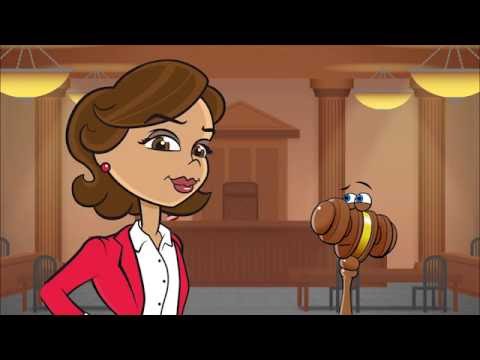
Brown V Board Of Education 1954 Separate Is Not Equal Youtube

Brown Vs Board Of Education National Historic Site Topeka Ks National Parks Usa Usa Landmarks Visit Usa
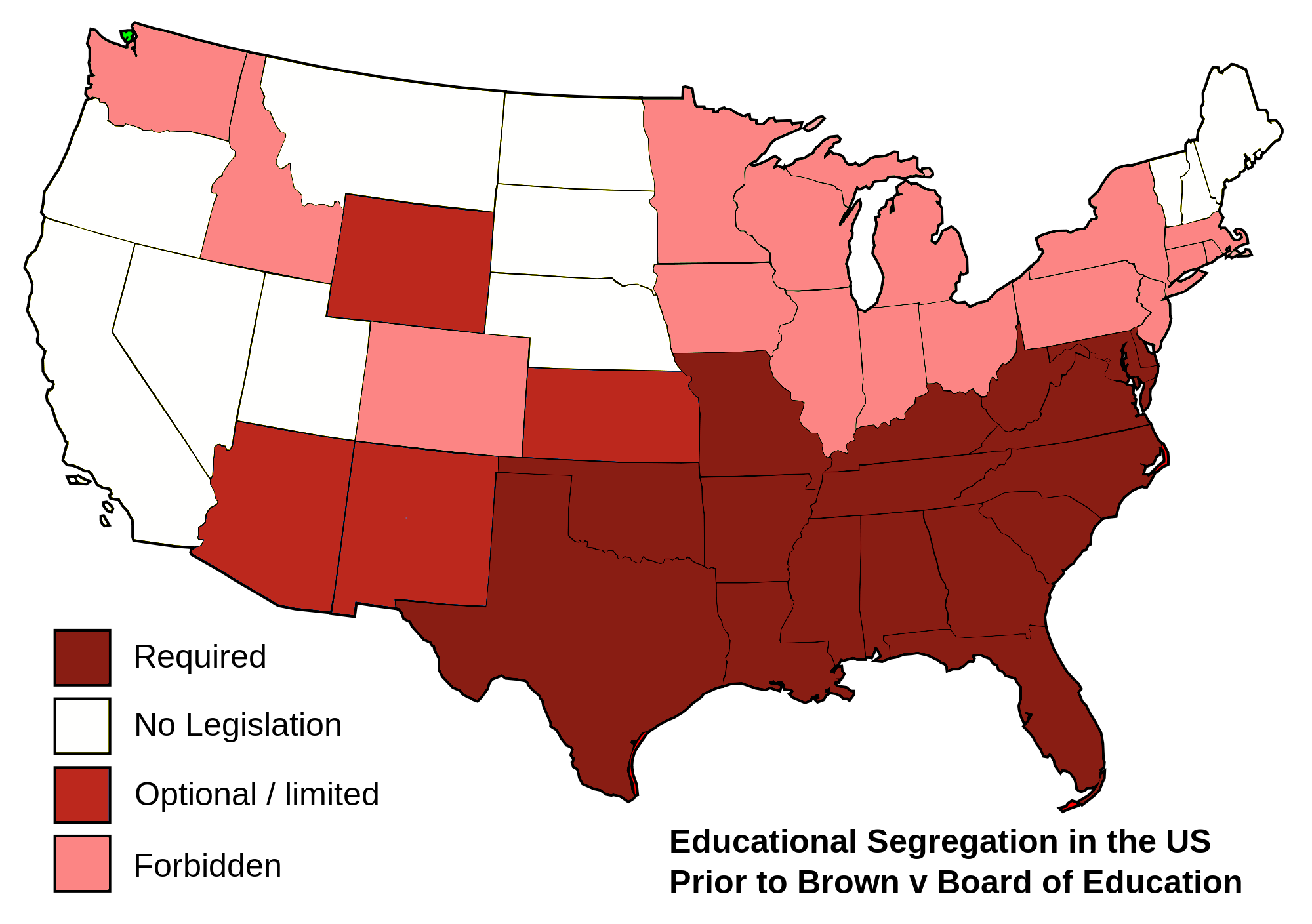
Brown V Board Of Education Of Topeka Article Khan Academy

Plessy V Ferguson And Brown V Board Of Education Educational Board School Cases Civil Rights Movement

Brown Vs Board Of Education R A F T Writing Activity Writing Activities Educational Board Education

Visit The Brown Vs Topeka Board Of Education Historic Site In Topeka Kansas Topeka Historical Sites Teaching Government

Brown V Board Of Education Summary Ruling Impact History

Brown Vs Board Of Education Reading Comprehension Worksheet School Integration Reading Comprehension Worksheets Reading Comprehension Comprehension Worksheets
Brown V Board Of Education Bri S Homework Help Series Youtube

Brown Vs Board Of Education National Historic Site In Topeka Ks Historical Sites Educational Board Historical

Six Goals Of Educational Equity Infographic Idra Education Guide For School Equity

Linda Brown Brown V Board Of Education Story Facts Biography
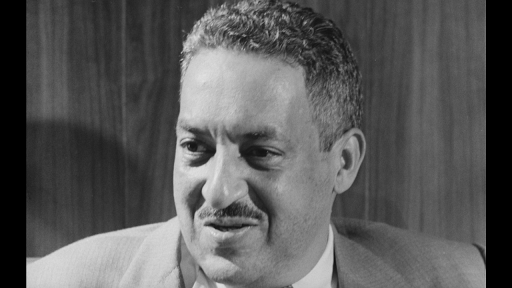
Brown V Board Of Education Of Topeka Article Khan Academy


Comments
Post a Comment